our work
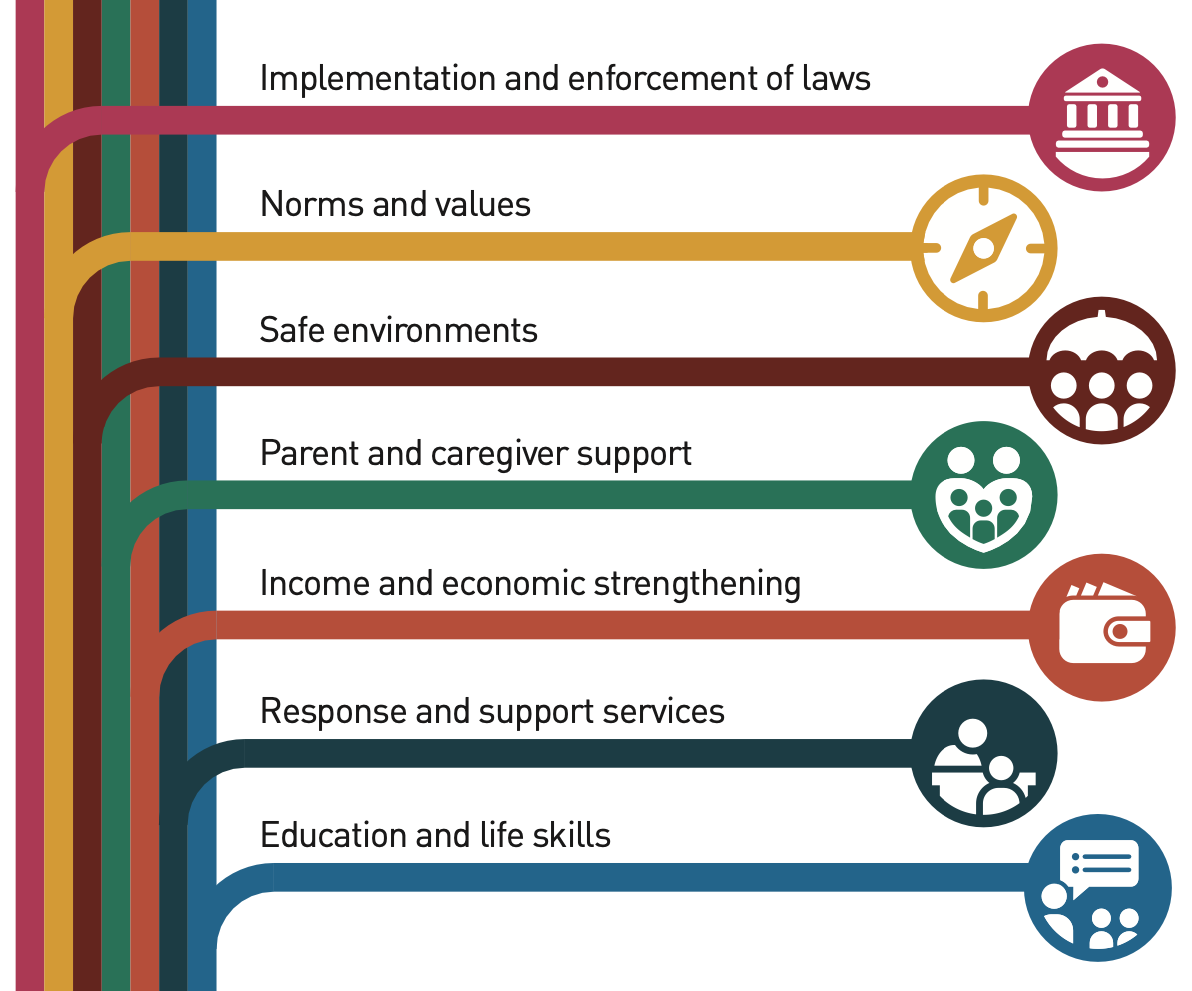
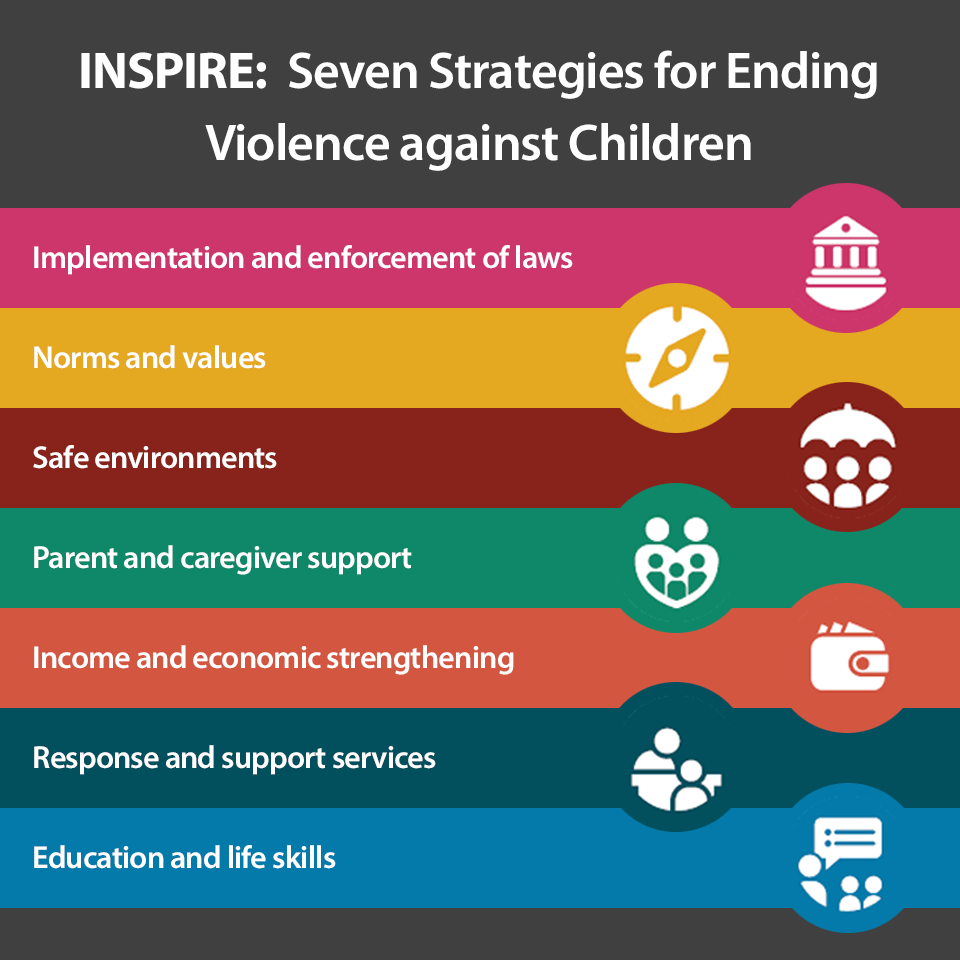
The INSPIRE Evidence Lab is dedicated to strengthening the global evidence base for preventing violence against children and youth. Grounded in the INSPIRE: Seven Strategies to End Violence Against Children framework, we conduct research to strengthen measurement of violence against children, assess the quality of evidence on preventing and responding to violence, and translate evidence to real-life solutions.
Our team collaborates across countries and disciplines to bridge data and practice, transforming research into tools, dashboards, and insights that drive measurable change. We build and translate evidence to strengthen prevention programs worldwide. From evaluation and data analysis to training and capacity building, our work transforms knowledge into action.
Hosted at Georgia State University's School of Public Health, the INSPIRE Evidence Lab collaborates with global partners to advance data-driven prevention and strengthen the science to support the well-being of children, women, and girls worldwide.
INSPIRE is built on years of scientific research and program experience showing that violence against children is not inevitable; it is preventable. The framework brought together evidence from multiple disciplines, including public health, education, social welfare, and justice, under a single strategic umbrella. Each strategy represents an entry point for national and community action, supported by tested interventions, policy guidance, and multisectoral collaboration.
Since its release, INSPIRE has been adopted by more than 100 countries, informing national action plans, donor investments, and integrated prevention programs.
PROJECTS AND RESOURCES
INSPIRE Evidence Update: A decade of progress to end violence against children
A comprehensive global evidence review confirms what prevention leaders have long known: violence against children and adolescents is preventable, and we now have stronger proof than ever before of what works. The INSPIRE Evidence Update in The Lancet Child & Adolescent Health offers the most complete picture to date of effective interventions. The analysis found that every INSPIRE strategy includes at least one intervention with consistent, high-quality evidence of effectiveness. The collaboration with the University of Oxford, the INSPIRE Evidence Lab, the WHO, CPC Learning Network at Columbia University, and CDC reaffirms the power of evidence-based prevention. With renewed scientific consensus, the INSPIRE Framework continues to guide governments, donors, and practitioners in building safer, healthier futures for all children.

Renewing the Global Commitment to End Violence Against Children
Ten years after the launch of INSPIRE: Seven Strategies for Ending Violence Against Children, the INSPIRE Secretariat, signatory agencies, and global partners have released a joint statement reaffirming the urgent need for evidence-driven action to prevent violence against children worldwide. The statement accompanies the newly published INSPIRE Evidence Update, the most comprehensive synthesis to date of what works to prevent, reduce, and respond to violence against children. The statement highlights a decade of progress in translating evidence into action, while calling for renewed investment in prevention, stronger multisectoral collaboration, expanded data systems, and greater attention to persistent evidence gaps, including child sexual violence and technology-facilitated violence. As the global community prepares for the second Global Ministerial Conference on Ending Violence Against Children in 2026, the statement reinforces a central message of INSPIRE: violence against children is preventable, and the world must act.